


Media and Trailers
Seating Information
Sound-Bar is primarily a high-energy nightclub with a mostly standing-room layout, designed around DJs, dancing, and immersive lighting rather than fixed seating.
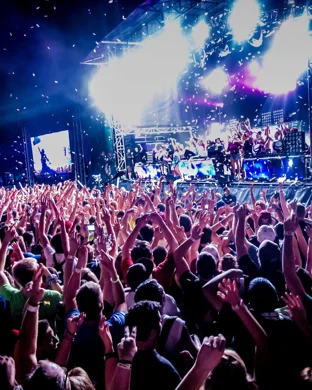
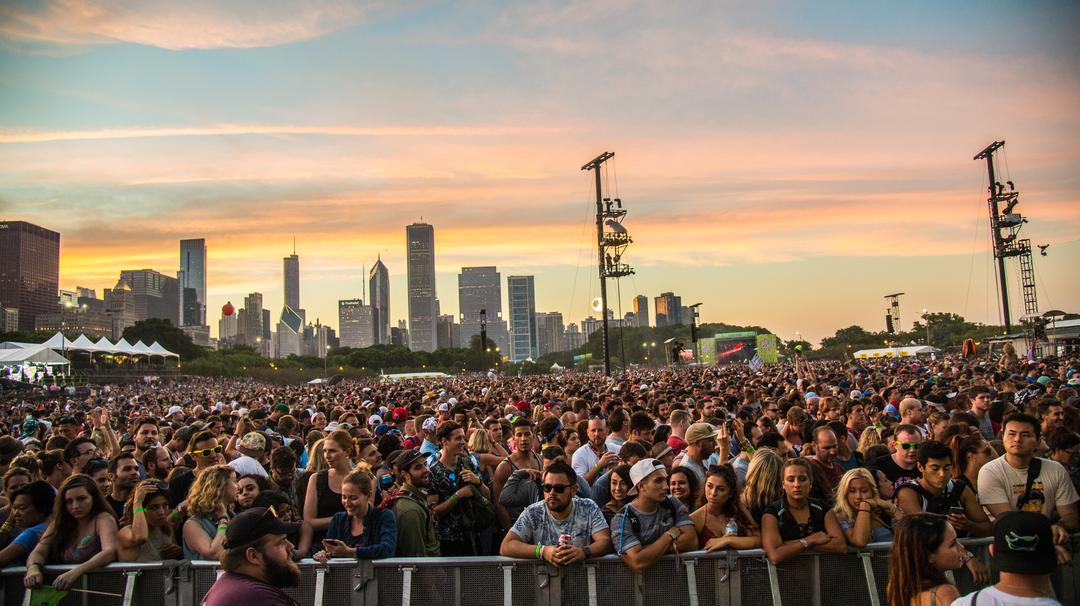
The main level features a large open dance floor (around 4,000 sq ft) where most guests stand close to the DJ and sound system. Surrounding this area are bar zones and walkways.
For a more premium experience, there are VIP booths, bottle service tables, and lounge areas distributed across the venue. These areas provide limited seating, better comfort, and elevated views of the crowd.
The venue is split across two levels. The upper level includes lounges and VIP sections that overlook the main floor, offering a wider view of the DJ performance and lighting setup.
Best sections: Center of the main dance floor for full energy and sound immersion, or upper-level VIP lounges for comfort and visibility.
Sections to avoid: Tight corners near entrances, congested bar areas, and narrow walkways that can become heavily crowded during peak hours.
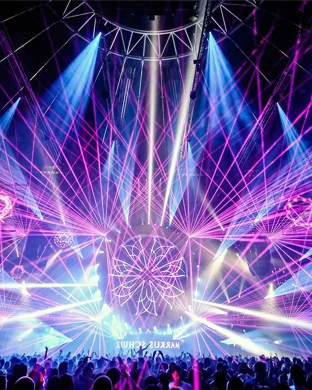
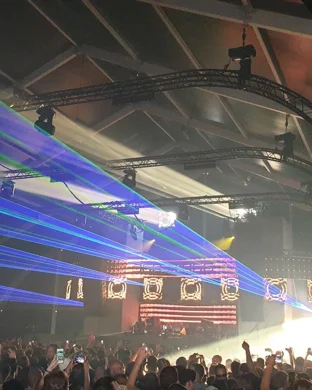
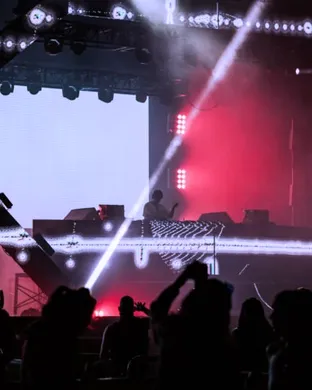
Venue infrastructure: Sound-Bar includes advanced sound systems, laser lighting, LED/video projection walls, and multiple bar stations across the venue, creating a highly immersive nightclub environment.
Parking Information
Parking near Sound-Bar in Chicago’s River North area is mainly off-site due to the dense urban nightlife district.
Nearby parking garages: The most reliable option, located within a short walking distance (about 2–8 minutes). These garages are the safest and most convenient choice during events, especially on weekends when demand is high.
Estimated price: Typically ranges from $15 to $50 depending on the night, event size, and demand.
Street parking: Limited metered parking is available in surrounding streets but is highly competitive and often restricted during nighttime hours.
Estimated price: Around $3–$7 per hour where available.
Rideshare drop-off: The main drop-off zone is near 226 W Ontario St, with nearby curbside areas commonly used for Uber and Lyft.
Options to avoid: Searching for street parking during peak hours (Friday and Saturday nights) is not recommended due to congestion, towing risks, and very low availability.
Box Office Information
Sound-Bar does not operate like a traditional theater box office. Entry is primarily managed through digital/mobile ticketing, guest lists, and table reservations.
Ticket delivery: Most events use mobile QR codes or electronic tickets for entry. Guests typically scan tickets at the door upon arrival.
Transfer process: Ticket transfers depend on the original ticketing platform and promoter rules, but electronic transfer is commonly supported.
On-site entry: Walk-up box office sales are generally not the primary method. Entry is usually handled via guest list verification or mobile scanning.
Important note: Bottle service and VIP table reservations are a major part of access and experience, especially during high-demand events.